
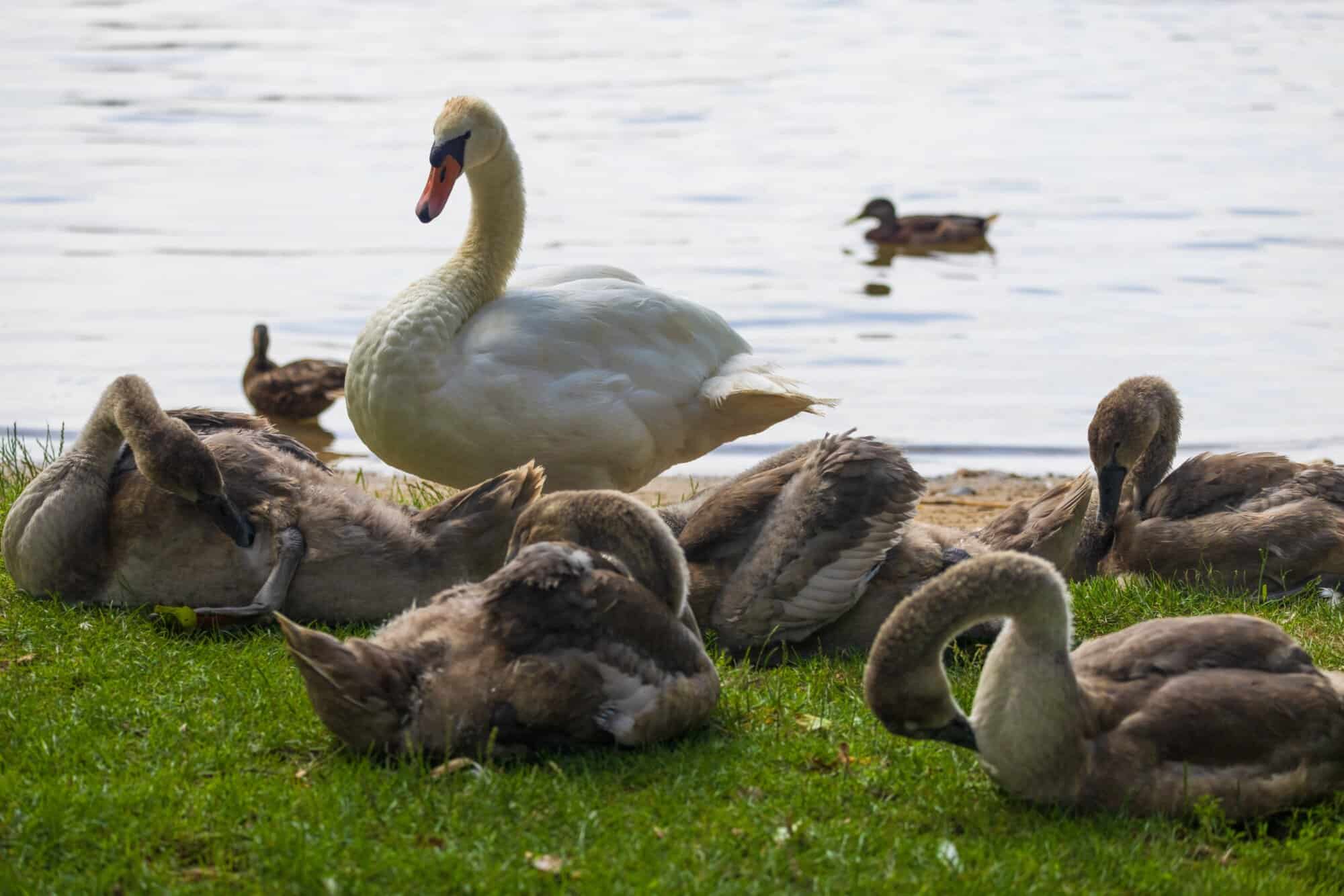
An Avian Influenza Prevention Zone is in place across Scotland. This zone means strict biosecurity measures are mandatory for all bird keepers, including those who keep pet birds, to help prevent the spread from wild birds or any other source.
These include the requirement to:
- Cleanse and disinfect clothing, footwear, equipment and vehicles before and after contact with poultry or other captive birds – if practical, use disposable protective clothing.
- Reduce the movement of people, vehicles or equipment to and from areas where poultry and other captive birds are kept, to minimise contamination from manure, slurry and other products and use effective rodent control.
- Thoroughly cleanse and disinfect housing on a continuous basis.
- Keep government approved fresh disinfectant at the right concentration at all farm and poultry housing entry and exit points – make sure that footwear is cleaned thoroughly before disinfection. Alternatively, put on poultry-house dedicated footwear on entry to the poultry house.
- Minimise direct and indirect contact between poultry and other captive birds with wild birds, including making sure all feed and water is not accessible to wild birds.
There are the following risk assessments:
- The risk of HPAI H5 in wild birds in Great Britain is assessed as very high.
- The risk of poultry exposure to HPAI H5 in Great Britain is assessed as:
- very high where there is suboptimal or poor biosecurity.
- medium where good biosecurity is consistently applied at all times.
Wild birds
You should report finding any of the following to the UK national telephone helpline administered by Defra on behalf of the Scottish Government and the Welsh Government: 03459 33 55 77.
- a single dead bird of prey, swan, goose, duck or gull.
- five or more dead wild birds of any other species
An online reporting system (available to use 24/7) can also be used by the public to report dead wild birds in Great Britain, as part of the Government response to the ongoing avian influenza outbreak. The online tool does not replace the helpline, which will remain in place.
Sick or injured wild birds should be reported to the Scottish Society for the Prevention of Cruelty to Animals (SSPCA) in Scotland by telephone (03000 999 999).
Reporting suspicion of avian influenza
Avian influenza is a notifiable animal disease. If you suspect any type of avian influenza in poultry or other captive birds you must report it immediately by contacting your local Animal and Plant Health Agency (APHA) Field Services Office. Failure to do so is an offence.
Registration of kept birds
Anyone who keeps birds, even a single bird, must register on the Scottish Kept Bird Register (SKBR). This is a legal requirement. This applies to anyone who keeps birds (with exceptions), as well as wild bird rehabilitation centres and zoos.
Public health
The risk to the general public’s health from avian influenza is still ‘very low’ and is considered ‘low’ for people with intensive exposure to infected birds. Food Standards Scotland advise that avian influenzas pose a very low food safety risk for consumers.
Information Sources
For more information on HPAI see the:
- interactive map of reported wild bird mortality and findings of avian influenza (bird flu) in wild birds and wild mammals in Great Britain
- interactive dashboard of positive findings of avian influenza in wild birds in Great Britain
- weekly reports of HPAI findings in wild birds in Great Britain
For anyone interested in animal diseases, not just diseases of poultry, you can sign up for free text and/or email alerts on national disease outbreaks via APHA’s subscription service.
|
Leave A Comment