
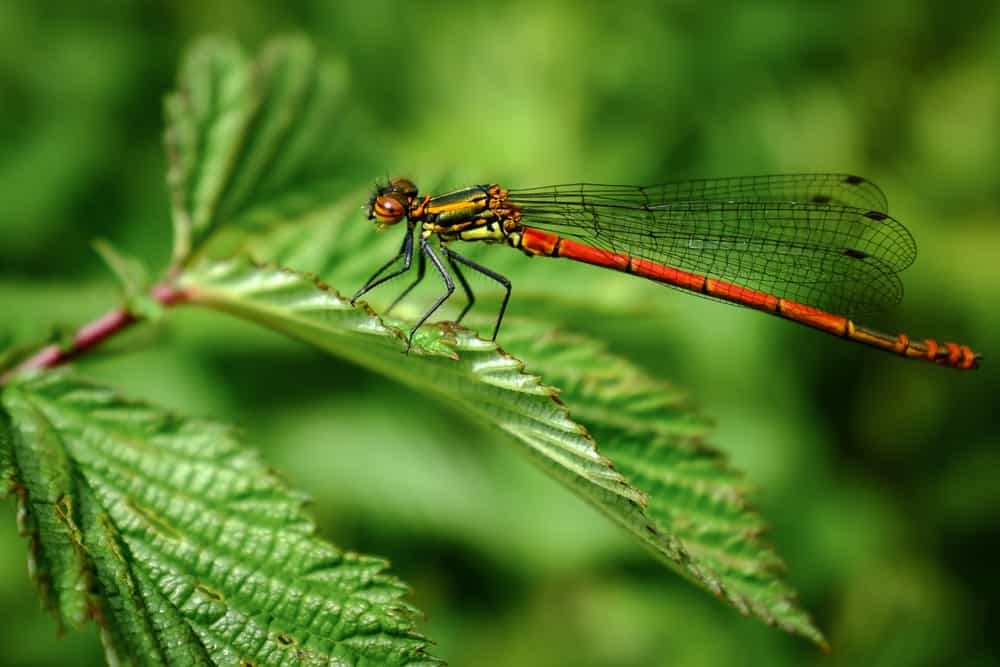
The two species highlighted to look out for, and record, this month by the Dumfries and Galloway Environmental Resource Centre (DGERC) are…

the large red damsel fly and the water vole!
The large red damsel fly is easy to identify as it is the only red damsel fly in D&G and is one of the earliest to emerge in the spring. Whilst there are always exceptions to the rule, damselflies tend to be slighter than dragonflies, and tuck their wings along their body when landed. For more information on the large red damselfly, click on the link below:
www.british-dragonflies.org.uk
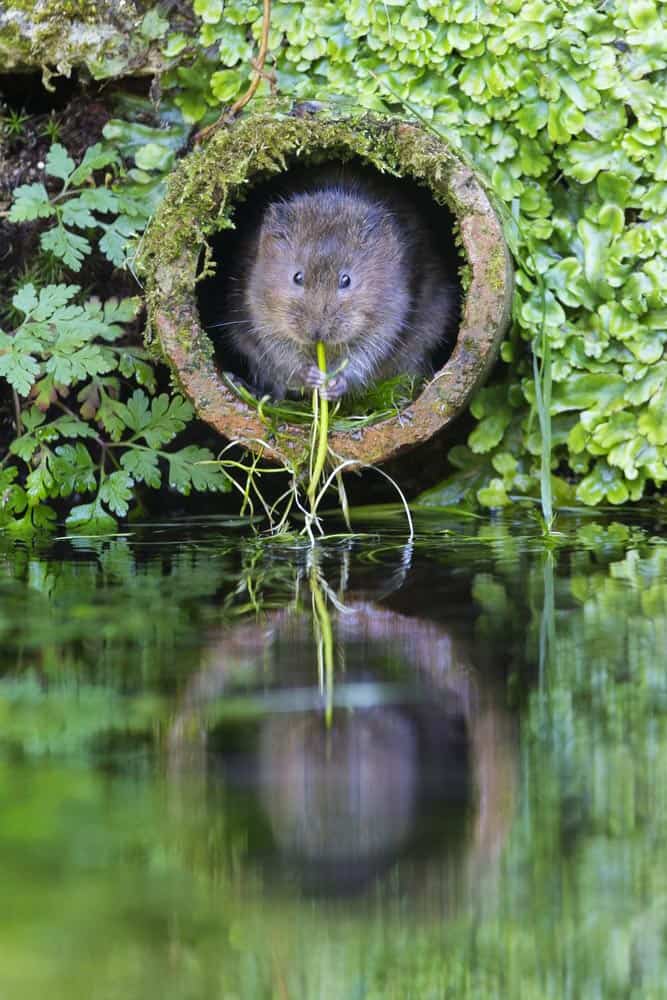 The water vole is sadly reported to be in decline, but there have been sightings in D&G, so keep your eyes and ears peeled (water voles tend to make a loud ‘plop’ when entering the water). It may be easier to spot signs of water voles, than the shy, elusive creature itself. Look for burrows in riverbanks, often with a nibbled ‘lawn’ of grass around them. Water Voles like to sit and eat in the same place, so piles of nibbled grass and stems may be found by the water’s edge, showing an indicative 45° angled-cut at the ends.
The water vole is the largest of the British voles. It has the typical ‘rotund’ appearance of a vole, with brownish or black fur which extends to cover the tail, which is about three-quarters of the body length. Their ears (unlike rats’) don’t protrude from their heads and they are very buoyant – sitting high in the water when swimming.
For a super id guide, click the link here: www.essexwt.org.uk
or watch this fab video.
For more info from DGERC, including recording your sightings, click here.