

We learned last time that Stephen Powell first came to live in Glencaple village in Dumfries and Galloway at the age of six. (Read part 1 here)
We caught up with him in the same sitting room in which he was brought up. The ambient lighting picked out some interesting paintings on three of the wall panels – click on the link below to hear Stephen tell us a bit about them:
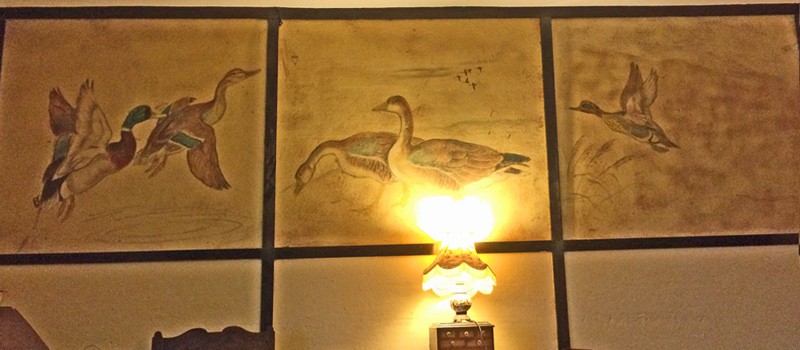 Paintings on wall panels – Mallard taking flight, Graylag geese, Teal in flight by Ralston Gudgeon
Rationing
We asked Stephen about his memories of rationing locally during war-time, “There were no butchers here, you had to go into Dumfries… Mother had a car and she was a member of the VCP – the Voluntary Car Pool – so if anybody needed hospital or something like that, she could be called upon, and she had to keep a We went on to ask about other facilities and amenities in Glencaple when Stephen was a boy. He told us that there were three shops in the village. Have a listen below as he recounts a few of his memories about these facilities, the shop keepers and the local bus service. [Click on the link]
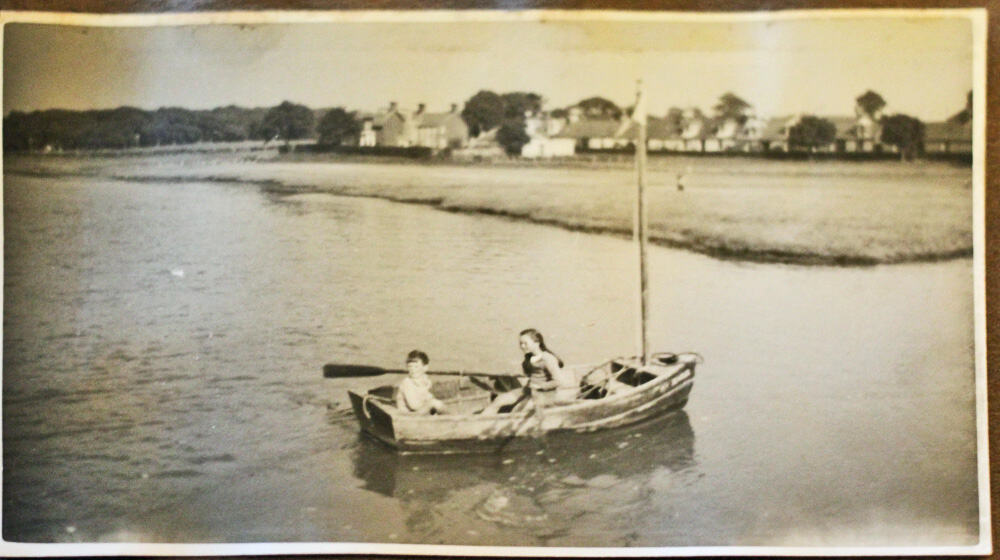
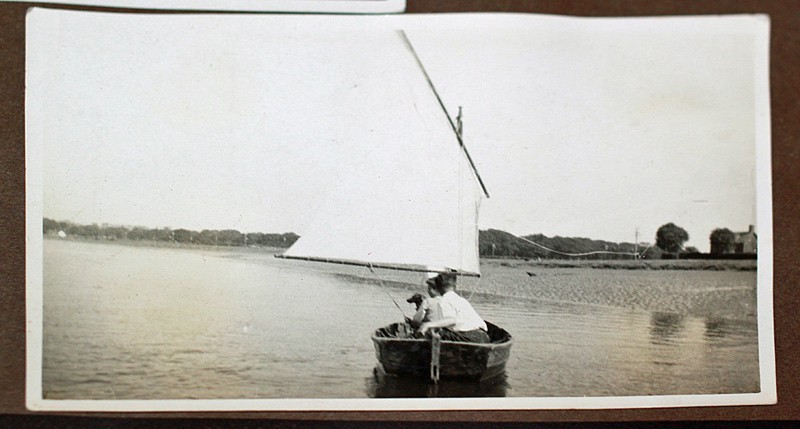
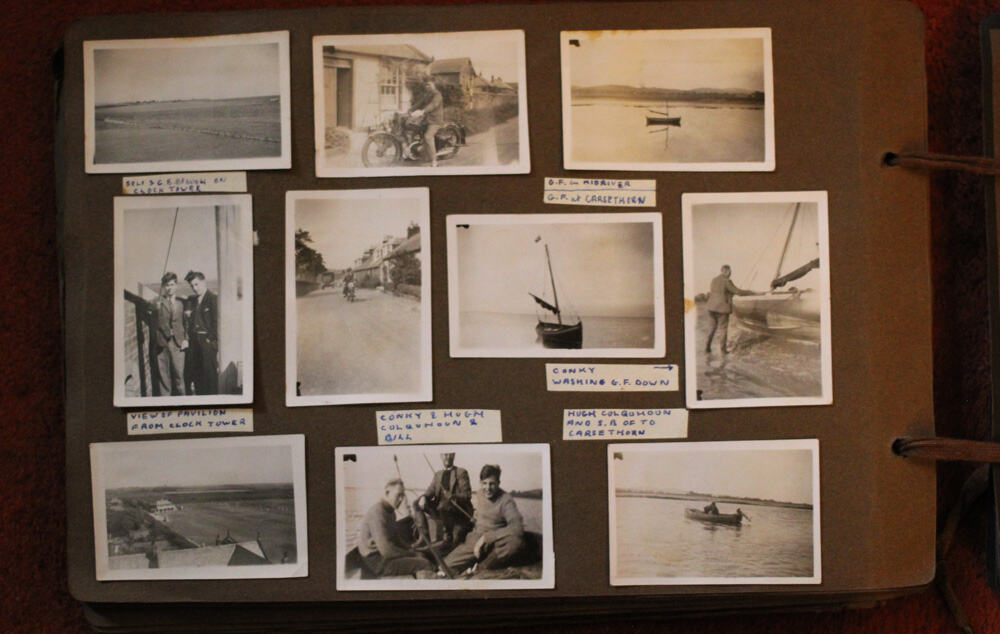
Stephen told us about the times his ‘gang’ of friends went looking for bottles near Phyllis’ Cottage [Close to Castle Corner]. “As boys, we might be accused of not being very nice to Phyllis, but infact it was Phyllis who wasn’t very nice to us! We went along the tide edge there, collecting bottles and, she really was dressed in black with a cloak – we all thought ‘of course she’s not a witch’, but none of us really put it to the test – incase we overstepped the mark and turned into a frog or something! We were all sort of bold about it, but kept very wary around her, I mean she did have a classic look… the kind of the thing a child would draw of a witch”. Listen below to Stephen tell us a bit about his gang: Stephen went on to explain how he and his friends did their bit for the war effort, I’m sure if Hitler had known about it he would have had a bomb put there, because whether any of that salvage actually did anything, we don’t know! We do know that railings were cut down all over the place, and we had railings down in Church Street – the idea was they went to make tanks – but they got a bit too enthusiastic and cut them all down. Between Ian Hamilton’s house and the The Stewarts’ old house, used to have a metal fence. The Crichton was excluded from that, but you can see all around in Dumfries where they were taken.” Stephen used to go sailing on the Nith, “in a London and Essex carvel flat bottomed sailing boat, with no life jackets or anything. The mast of which is above my mantelpiece. It was gaff rigged, and had the mains’l. But later we put a little bowsprit on and my father acquired somebody’s old parachute and we made a jib. Anyway, we used to have lots of fun. The law required you couldn’t leave the oars in the boat when the war was on incase a Nazi might escape or something and row back to Germany!”. And, incase you missed it, here’s part 1 again: www.caerlaverock.org.uk/stephen-powell-part-1/ With thanks to the Old Dumfries Facebook group contributors for the postcard pictures and the bus ticket photo used here.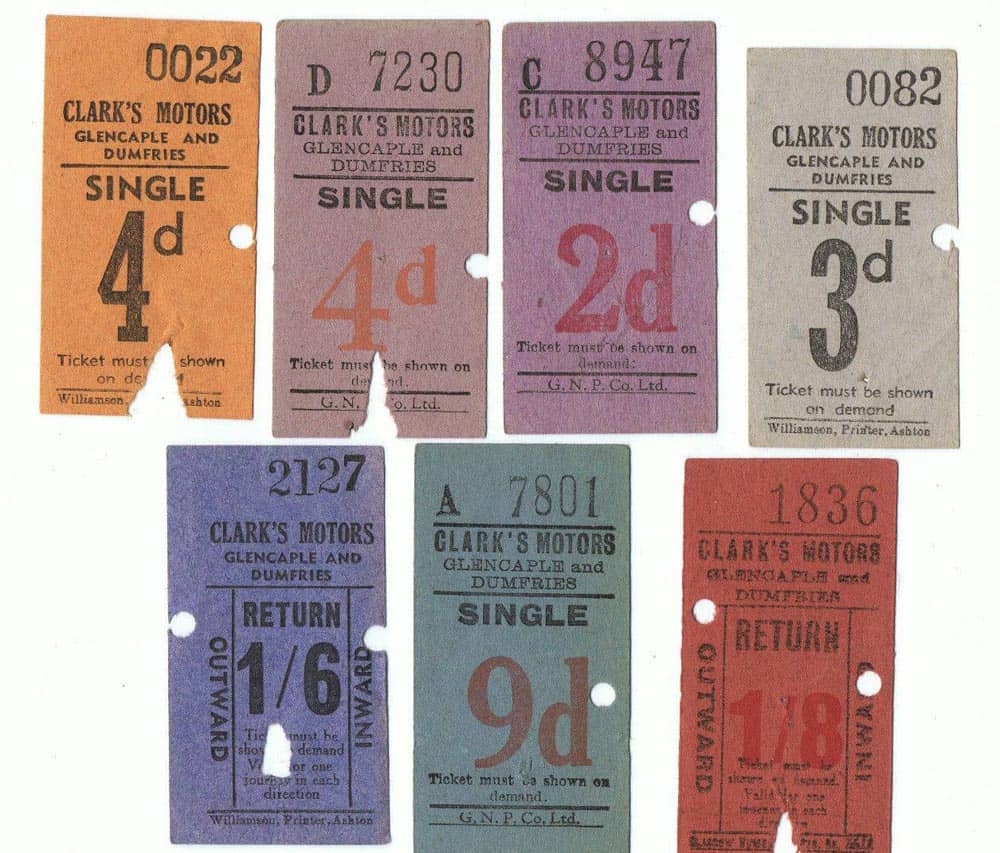 log book, as petrol was entirely rationed, there was no private movement by car at all. Petrol was purchased at Shearington.”
 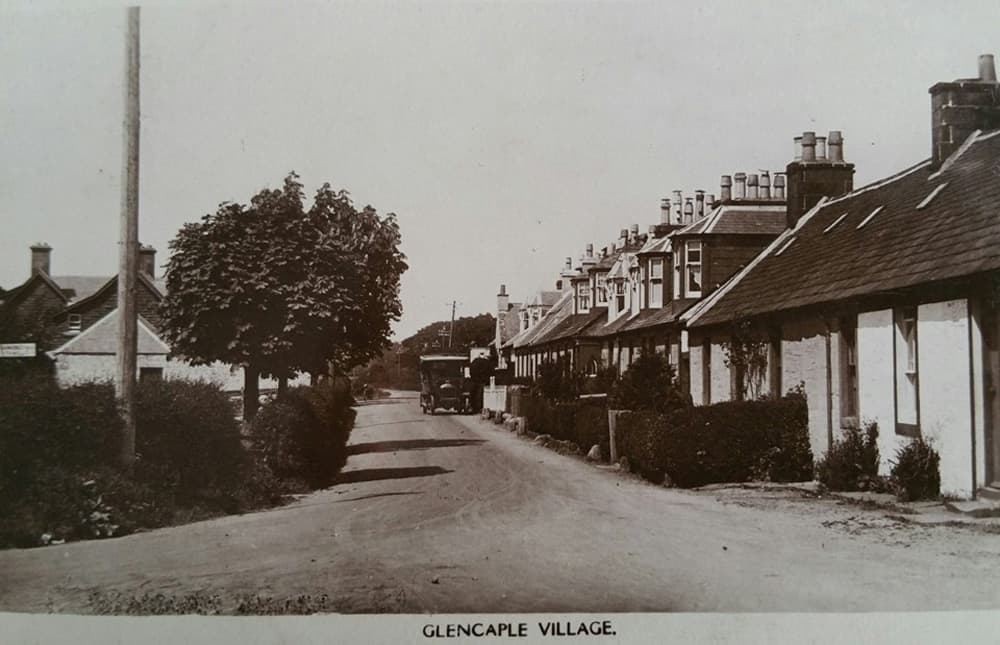 A good money-making scheme in those days, for Stephen and his friends, would be to collect bottles from the tide line – they would get a penny for each bottle returned to the shop. “A penny was very good – pocket money was a penny.”
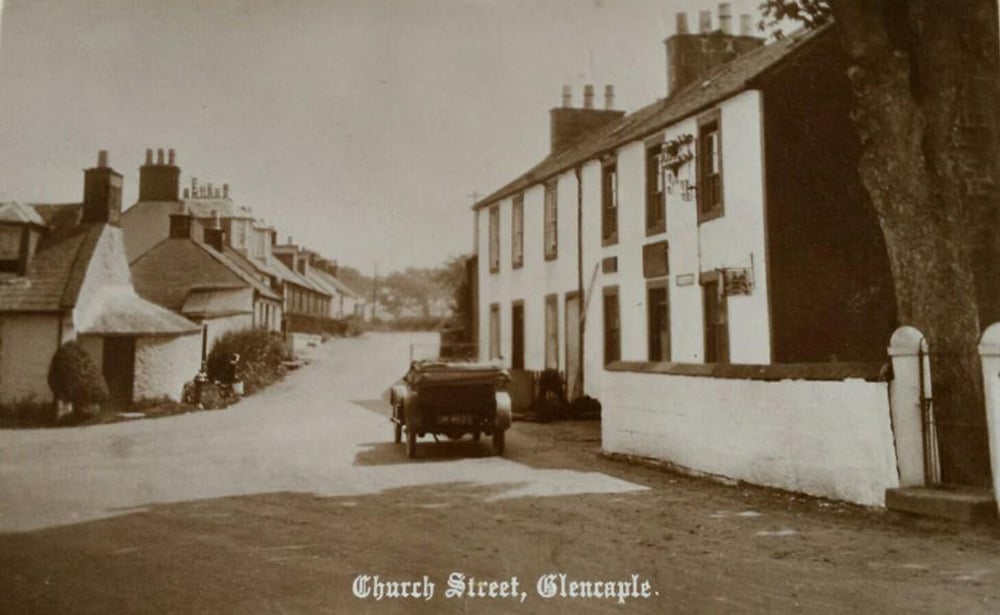 “On Thursday evenings, we boys would go round the houses with sacks, and everyone would put their waste paper in them, old ladies would produce 2 or 3 envelopes and they were all taken and put up where the Hendersons are now. There use to be an old shed and garages and things down there, and then they’d get taken away.
Sailing
Coming soon: Look out for the 3rd and final part of our conversation with Stephen in which he will tell us all about his experiences of the war in Glencaple and Caerlaverock.